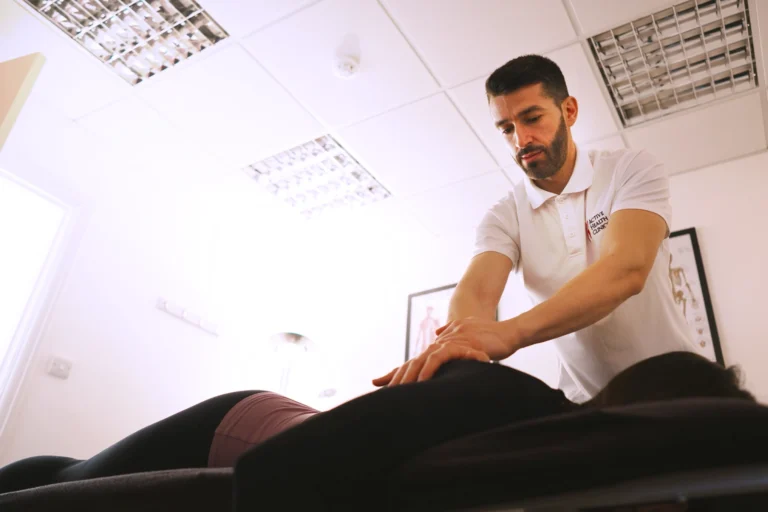
Migraines can be debilitating. The pain, nausea and sensitivity to light or sound can make it difficult to work, exercise, sleep or simply get through the day.
Medication can play an important role in managing migraines, but for people experiencing recurring attacks, the question is often: is there anything else I can do to reduce how often my migraines occur or how severe they are?
Acupuncture is one option that may be worth considering.
At Active Health Clinics in Maidenhead, acupuncturist Nila Sari works with people experiencing migraines and headaches, using an individualised approach based on their symptoms, general health and overall wellbeing.
Nila Sari is an acupuncturist at Active Health Clinics in Maidenhead who supports patients experiencing migraines and headaches. For people looking for acupuncture for migraines in Maidenhead and the surrounding area, understanding what treatment involves – and what the evidence actually says – can help them decide whether it is something they would like to explore.
In this article, Nila shares some of her clinical experience, while we look at what migraines are, how acupuncture may be used, what the evidence says and what you can expect from treatment.

What is a migraine?
A migraine is a neurological condition that commonly causes episodes of moderate to severe headache, often described as throbbing or pulsating.
Alongside head pain, people may experience symptoms including:
- nausea or vomiting
- sensitivity to light or sound
- visual disturbances
- dizziness
- fatigue
- difficulty concentrating
Some people also experience migraine with aura, which can involve temporary visual, sensory or speech disturbances.
Migraines can last for hours or sometimes days, and for people experiencing them regularly, their impact can extend well beyond the headache itself.
What triggers migraines?
Stress, disrupted sleep, hormonal changes, dehydration, missed meals, alcohol and certain foods are commonly discussed as potential migraine triggers.
But identifying a trigger isn’t always straightforward.

Clinical insight from Nila Sari, Acupuncturist in Maidenhead
“Despite the list of potential triggers, most people I’ve seen don’t know exactly what triggers their migraines. This can be really frustrating. They may have avoided certain foods, for example, but found it hasn’t made any difference.”
Nila Sari, Acupuncturist at Active Health Clinics, Maidenhead
This is why keeping a migraine or headache diary can sometimes be helpful. Recording when attacks occur, their severity and duration, sleep, stress and other possible contributing factors may reveal patterns that aren’t immediately obvious.
And sometimes there simply isn’t one clear trigger.
Can acupuncture help with migraines?
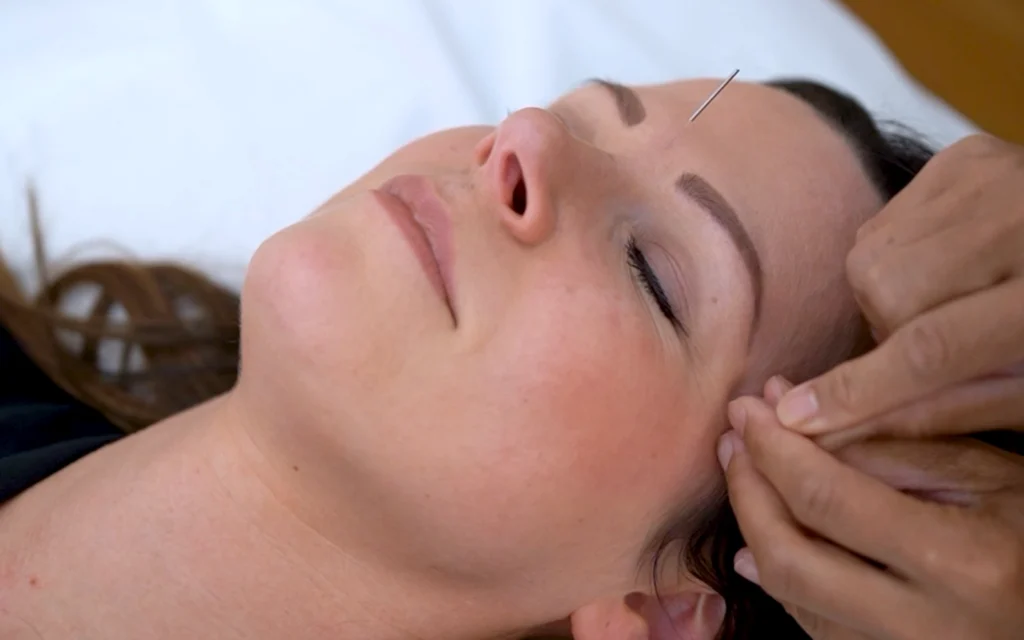
Acupuncture involves inserting very fine needles at selected points on the body.
Research has investigated acupuncture particularly as a preventative treatment for migraine, in other words, attempting to reduce the frequency or impact of future migraine attacks rather than simply treating pain during an attack.
Potential improvements may include:
- fewer migraine days
- reduced migraine intensity
- shorter or less disruptive attacks
- improvements in general wellbeing
- improved quality of life
Importantly, acupuncture isn’t a guaranteed cure for migraines and responses differ between individuals.
What does Nila look for?
Interestingly, Nila doesn’t only ask whether someone’s headache has disappeared.
“I’d look for any little changes, even something that seemingly has nothing to do with the migraines. For example, someone’s sleep might have improved. It’s those little steps that count.”
“The longer-term goal would be a reduction in frequency or severity, but they might also sleep better, feel calmer or simply feel better within themselves.”
Nila Sari
Those changes can help build a broader picture of how somebody is responding to treatment.
When it comes to migraine medication, Nila doesn’t advise patients to change or stop prescribed medication. Any medication changes should be discussed with the doctor or healthcare professional responsible for prescribing it.

What does the evidence say about acupuncture for migraines?
Acupuncture has been studied as a preventative treatment for migraine, and it also features in UK clinical guidance.
The National Institute for Health and Care Excellence (NICE) recommends considering a course of acupuncture for migraine prevention in certain circumstances when commonly used preventative medications have not worked, aren’t tolerated or aren’t suitable.
NICE refers to a course of up to 10 acupuncture sessions over 5–8 weeks.
Research into acupuncture and migraine continues, and results across individual studies aren’t identical. It is therefore more accurate to describe acupuncture as an evidence-informed option that may help some people with migraine prevention, rather than suggesting that it will cure migraines.
How does acupuncture for migraines work?
There are different ways of explaining acupuncture depending on the acupuncture approach being used.
From a contemporary research perspective, acupuncture stimulates sensory nerves in the skin and muscles. Researchers have investigated how this may influence the nervous system and the body’s processing and regulation of pain.
Traditional Chinese Medicine (TCM) uses a different framework. Rather than looking at the migraine in isolation, practitioners consider patterns across the individual’s overall health and wellbeing.
Nila practises using this broader Chinese medicine perspective.
Nila’s approach to treating migraines
“We diagnose from a Chinese medicine perspective, taking account of other signs and symptoms – what’s their sleep like, their digestion and their mental and emotional state – before deciding which points to use.”
“Everyone is different and every case may be different from another.”
Nila Sari
This means two people who both visit Active Health Clinics in Maidenhead for migraines won’t necessarily receive exactly the same acupuncture treatment.

Do the acupuncture needles go in your head?
Not necessarily – and this is something patients are often surprised to discover.
Nila may deliberately use acupuncture points away from the painful area.
“As the pain is in the head, I often prefer to avoid putting needles in the head. It might sound counter-intuitive, but for some migraine sufferers that can feel like too much.”
Nila Sari
Within the Traditional Chinese Medicine framework, Nila may instead choose distal points, including points around the feet or lower limbs.
The important point is that acupuncture for migraines doesn’t simply mean putting needles where it hurts. Point selection depends on the individual assessment and the practitioner’s clinical approach.

What happens during acupuncture treatment for migraines in Maidenhead?
At Active Health Clinics in Maidenhead, your first appointment with Nila starts with a detailed history and assessment.
As well as discussing the migraines themselves, Nila may ask about:
- frequency and severity of migraines
- where symptoms are experienced
- possible triggers
- sleep
- digestion
- stress and emotional wellbeing
- general health
- medication
- other symptoms you may be experiencing
This information helps determine whether acupuncture is appropriate and allows treatment to be tailored to you rather than applying exactly the same treatment to every person experiencing migraines.
The acupuncture needles themselves are extremely fine. Nila also finds that people with migraines can sometimes be particularly sensitive to stimulation, so more needles don’t necessarily mean better treatment.
“Migraine sufferers are often sensitive, so I find fewer needles can sometimes be better, so that we don’t overstimulate them.”
Nila Sari
And despite the understandable apprehension some people have about needles, Nila says there is another reaction she frequently encounters:
“A lot of people are surprised by how relaxing the treatment can be.”
How many acupuncture sessions might I need for migraines?
This will vary from person to person.
In Nila’s clinical experience at the Maidenhead clinic, she generally wants to see how someone responds over the first few appointments rather than judging acupuncture after a single treatment.
“I would usually allow around three or four treatments to get an idea, although sometimes it can take up to six. People understandably want to see results quickly, but it’s important not to expect a miracle after only one or two treatments.”
Nila Sari
Progress doesn’t necessarily mean that migraines immediately disappear.
Nila will look at changes in frequency, severity and overall migraine pattern, alongside other changes such as sleep, stress levels, digestion and general wellbeing.
For comparison, NICE guidance refers to a course of up to 10 acupuncture sessions over 5–8 weeks when acupuncture is being considered for migraine prevention in appropriate circumstances.
Can acupuncture be used alongside migraine medication?
In many cases acupuncture can form part of a wider migraine management plan rather than replacing conventional treatment.
This might include:
- medication for acute attacks
- preventative medication where appropriate
- identifying and managing potential triggers
- regular sleep and meals
- hydration
- stress management
- physical activity
- acupuncture
If you’re taking prescribed migraine medication, don’t stop or alter it because you are starting acupuncture. Discuss any medication concerns or changes with your GP or prescribing healthcare professional.
Is acupuncture safe?
Acupuncture is generally considered safe when performed by an appropriately trained practitioner using sterile, single-use needles.
Some people experience temporary minor effects such as slight bruising, tenderness, tiredness or feeling light-headed.
Your medical history should be discussed before treatment so your practitioner can determine whether acupuncture is appropriate for you.
When should a headache be medically assessed?
Not every headache should be assumed to be a migraine.
If you have a new headache, a significant change in your normal headache pattern or unusual or concerning symptoms, you should seek appropriate medical advice.
Urgent medical attention may be required for symptoms such as a sudden extremely severe headache or a headache accompanied by new neurological symptoms.
If you’re unsure about a new or changing headache, speak to your GP or NHS 111. In an emergency, call 999.
So, is acupuncture worth trying for migraines?
For some people, acupuncture may be a useful addition to their migraine management.
The goal isn’t necessarily to promise that migraines will disappear. Instead, treatment may aim to reduce their frequency, severity or overall impact on everyday life.
Nila’s approach is also very individual.
Rather than treating “a migraine” in isolation, she considers the person experiencing it, including their sleep, stress, digestion, emotional wellbeing and other symptoms, before deciding how to approach treatment.
And sometimes the first signs of progress are small.
As Nila explains:
“It’s those little steps that count.”
Acupuncture for Migraines in Maidenhead
If you’re experiencing recurring migraines and are looking for acupuncture for migraines in Maidenhead, you can arrange an appointment with Nila Sari at Active Health Clinics.
Nila provides acupuncture from our clinic on St Marks Road in Maidenhead and sees patients from Maidenhead and the surrounding areas.
We also offer a complimentary 15-minute consultation, giving you an opportunity to discuss your migraines with Nila, ask questions and find out whether acupuncture may be suitable for you before committing to treatment.
Frequently Asked Questions About Acupuncture for Migraines
Does acupuncture work for migraines?
Research suggests acupuncture may help some people with migraine prevention, including potentially reducing migraine frequency. NICE includes acupuncture as an option to consider for migraine prevention in certain circumstances. Results vary between individuals, so acupuncture shouldn’t be considered a guaranteed cure.
How many acupuncture sessions do you need for migraines?
There isn’t one number that suits everybody. Nila generally assesses the response over approximately three to four treatments, although sometimes she may allow up to six before evaluating progress. NICE guidance refers to a course of up to 10 sessions over 5–8 weeks when acupuncture is used for migraine prevention in appropriate circumstances.
Where are acupuncture needles placed for migraines?
They don’t necessarily need to be placed in the head. Acupuncture points elsewhere on the body may be selected depending on the individual and the acupuncture approach being used. Nila often prefers fewer needles and may avoid the head altogether in migraine patients who are particularly sensitive.
Can acupuncture help migraines if I don’t know my trigger?
Not knowing your exact trigger doesn’t necessarily prevent you from discussing acupuncture with a practitioner. Nila frequently sees people in her Maidenhead clinic who haven’t been able to identify a clear migraine trigger. Her assessment therefore considers the wider migraine pattern and other aspects of health and wellbeing.
Can acupuncture be used alongside migraine medication?
It often can. Acupuncture doesn’t necessarily replace conventional migraine treatment. Patients should continue medication as prescribed and discuss any proposed medication changes with their GP or prescribing healthcare professional.
Is acupuncture for migraines painful?
Acupuncture needles are extremely fine, and treatment is often much gentler than people expect. In fact, Nila says many of her patients are surprised by how relaxing an acupuncture session can feel.
Where can I get acupuncture for migraines in Maidenhead?
Nila Sari provides acupuncture for migraines and headaches at Active Health Clinics in Maidenhead, Berkshire. The clinic is based at 72 St Marks Road, Maidenhead, SL6 6DW. A complimentary 15-minute consultation is available if you’d like to discuss whether acupuncture could be appropriate for you.